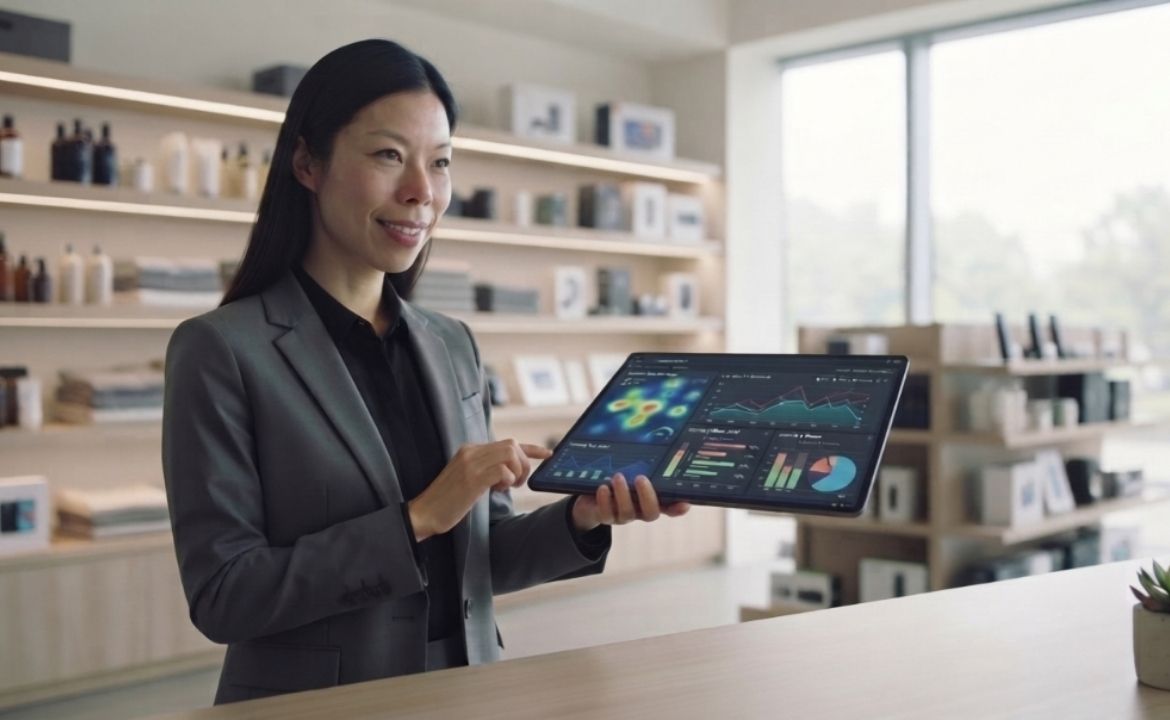
Retail AI Solutions Smarter Shopping, Better Sales
If you have walked into a shop nowadays and noticed eerily correct product suggestions or a checkout line that moved faster than normal, there’s a strong chance retail AI solutions were working behind the curtain. Retailers everywhere are turning to artificial intelligence to understand clients better, reduce costs, and keep cabinets stocked without the guesswork. This is not a future concept anymore. It’s happening right now, in stores and online stores of every size.
What Are Retail AI Solutions, Really?
At their center, retail AI solutions are software applications that use data analysis and statistical evaluation to help shops make smarter picks. Think of it as having a tireless analyst who in no way sleeps, constantly searching trends and flagging opportunities. Instead of relying on gut intuition or last year’s profit report, shop proprietors get real-time hints based on what is truly happening in the location right now.
Why Retailers Are Investing in AI Right Now
The global retail landscape has modified speedily. Customers anticipate custom-designed experiences, quick shipping, and merchandise that may be in inventory once they want it. Retail AI solutions come in to take on the heavy work of human teams, like building strong customer-client relationships and managing complicated problems.
The Competitive Pressure Factor
Smaller shops are also feeling stress from big game enthusiasts who have already adopted AI-powered systems. When a competitor can look forward to calling for 3 weeks out or offer hyper-customized offers, recognition nonetheless isn’t always a preference. Adopting AI has shifted from a “nice to have” to an actual aggressive necessity.
Key Applications of Retail AI Solutions
Smarter Inventory Management
Overstocking ties up cash. Understocking loses income. AI-powered forecasting permits stores to strike the proper balance by predicting what will promote, when, and in what quantities right all of the manner right down to specific store locations.
AI-Powered Service
Many retail AI solutions now integrate with messaging apps and net internet websites concurrently, giving clients a constant enjoy no matter wherein they shop.
Visual Search and Recognition
Some AI gadgets permit customers to add a photo and quickly discover similar merchandise in a shop’s catalog. This is mainly popular in fashion and home decor, where describing an item in terms may be hard.
In grocery stores, computer imaginative and prescient is also being used to show shelf inventory or perhaps lessen robbery through flagging uncommon conduct patterns.
How Small Retailers Can Get Started
Many retail AI solutions are constructed specifically for smaller operations, with pricing and complexity scaled as a result.
A realistic approach seems to be a few trouble like this:
- Start with one clear problem, which incorporates inventory forecasting or cart abandonment
- Choose a tool that integrates along with your contemporary e-exchange or POS platform
- Test on a small scale before rolling it out to the entire business enterprise
- Train team of workers on the way to interpret and act on AI-generated insights
- Review results after 60–90 days
Starting small reduces risk and allows businesses to build self-guarantee inside the era in advance of scaling up.
Common Concerns About Retail AI Solutions
Will AI Replace Retail Jobs?
This might be the most not unusual fear, and it is a sincere one. In fact, most retail AI saolutions are designed to useful useful resource for employees, not replace them. Repetitive responsibilities like restocking, calculations, or answering FAQs get automated, even as human employees cope with more extraordinary, customer-facing roles.
Is Customer Data Safe?
Data privacy is a valid problem, especially with AI devices that depend upon customer behavior. Reputable AI providers have a look at strict data safety requirements and allow stores to manipulate what data is collected and the way it is used. It’s actually well worth reviewing any dealer’s compliance certifications before committing.
What About Cost?
Pricing varies notably depending on the dimensions of implementation. Cloud-based AI devices with subscription models have made the answers in an extended manner more reachable than they have been even some years in the past, placing them within reach of small organizations, not just the most vital retail chains.
The Future of Retail AI Solutions
Looking ahead, anticipate AI to become even more predictive and much less reactive. Instead of just reporting what happened the past week, retailers will increasingly count on what’s in all likelihood to appear subsequently, whether or not it definitely is a spike in demand or a supply chain disruption.
Voice exchange, augmented reality becoming rooms, or maybe in-store automated checkout are already being examined by way of main shops. As that equipment matures and costs come down, they will probably trickle all the way down to smaller agencies too.
Conclusion
Retail AI solutions are not only a passing trend; they are turning into a major part of how retail stores operate, from predicting inventory demand to developing buying research that absolutely enhances the customer experience. Whether you’re managing a single storefront or multiple locations, there’s likely a place to start that fits your agency without requiring a huge budget or technical team. Retailers who start experimenting now, even in small ways, are probably better placed to meet customer expectations as those expectations keep growing.
FAQs
They analyze customer and sales data to assist stores with tasks like personalization, stock forecasting, customer service, and fraud detection.
Most companies start noticing measurable enhancements within 60 to ninety days, despite the truth that this varies based on the tool and use case.
Not generally. Most modern-day systems are designed with user-friendly dashboards that don’t require coding or technology understanding.
Yes. Computer vision, smart shelves, and AI-powered checkout ssystemsare an increasing number of used to improve the in-store purchasing experience.
When operating with valid organizations that observe data protection requirements, certain. Always compare an organization’s privacy and compliance rules beforehand.